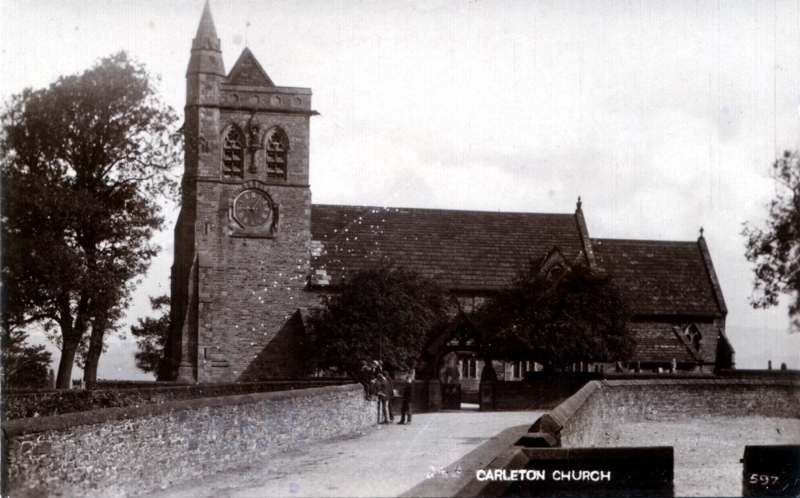
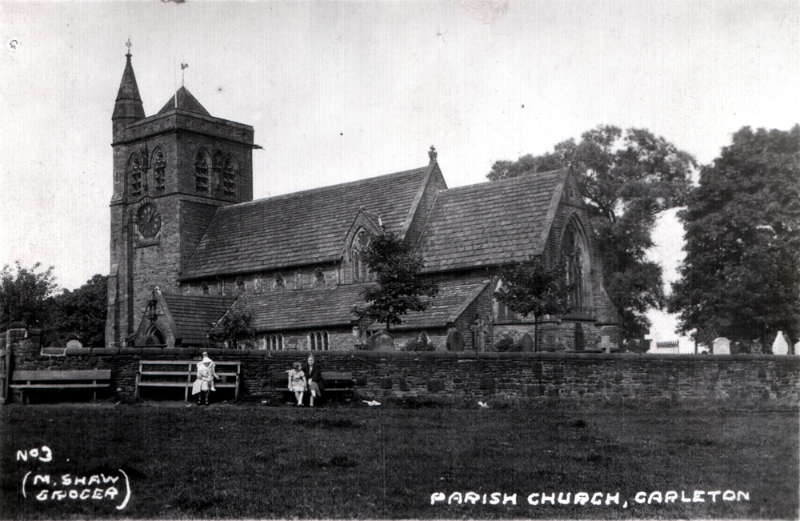
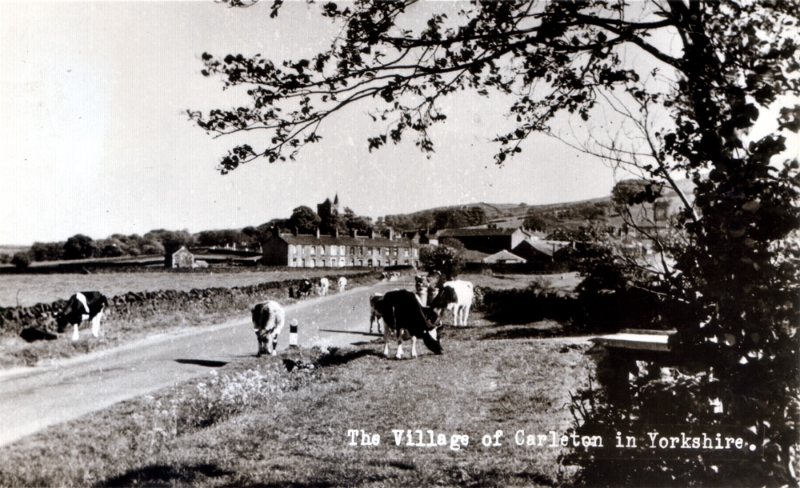
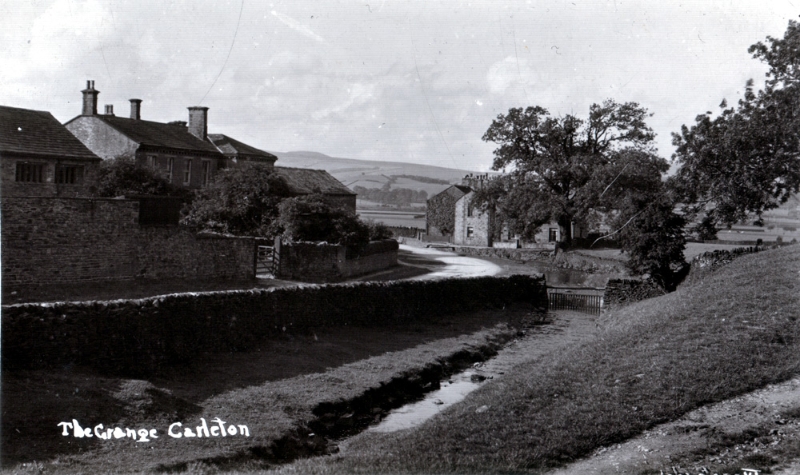
Carleton-in-Craven is a picturesque historic village in North Yorkshire, England, nestled about two miles from the bustling market town of Skipton.
With a growing population of around a thousand residents, the village is a thriving community served by a primary school, St. Mary’s Church, a Post Office, the Swan Inn pub, a social club, local garage, playgroup, and a children’s nursery.
1698: Alms House Carleton
Founded at the turn of the 17th century, the Carleton Alms Houses stand as a testament to historic local philanthropy, providing shelter and support to the community’s outpensioners for over three centuries.
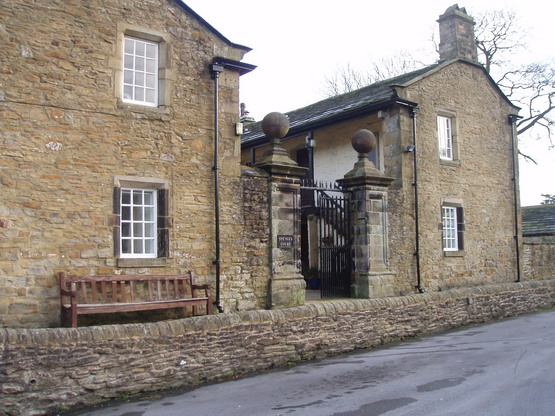
Courtyard Plaque Inscription
The Carleton Hospital & Spences Charity
This AlmsHouse and an endowment for the outpensioners of Carleton & Lothersdale, was founded in the year 1698 by Ferrand Spence of London & provided with a further generous endowment by Agnes Vardill Niven of Carleton in the year 1872
This tablet perpetuates the memory of Ferrand Spence the founder of the charity Anna Jane Niven and Agnes Vardill the mother & maternal grandmother of the benefactress Agnes Vardill Niven and the restoration of the Alms house by Jessie Blossom Coulthurst of Gargrave House Gargrave formerly of Ravenshaw Carleton & the Coulthurst trust in the year 1955
To the glory of God
1805: Robert Wilson, Beacon Guard
In 1805, during the height of the Napoleonic Wars, Robert Wilson was one of three Beacon Guards stationed on Pinhaw Moor above Carleton. Part of a national early-warning network against French invasion, these guards kept a vigilant watch looking towards Colne, ready to light the beacon if Napoleon Bonaparte’s forces attempted to cross the English Channel.
Living in a small, isolated hut on the exposed moorland, the men faced a winter of extreme severity. A fierce blizzard trapped them inside, and as their food supplies dwindled, Robert Wilson—believed to be the chief guard—braved the storm to trek to Moorside Farm for help. Despite the warnings of his companions, he set off into the whiteout.
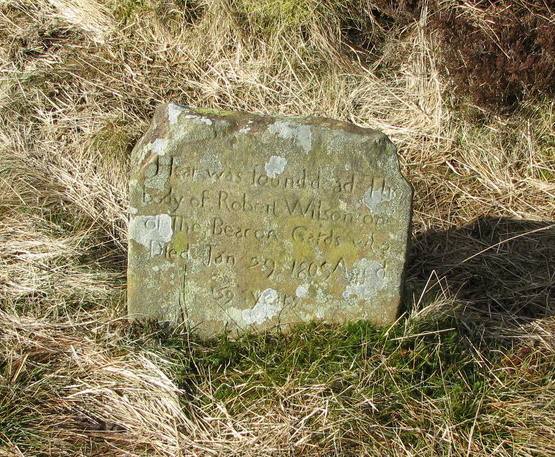
Sadly, Wilson never returned. Once the storm subsided, a search party from the village discovered his body just four hundred yards from the shelter. A memorial stone was placed where he died, serving as both a monument to his duty and his final resting place.
Headstone Inscription (Original Spelling)
“Hear was found dead The body of Robert Wilson one of the Beacon Gards who Died Jan 29 1805 Aged 59 years”
1889–1893: Paper Kisses
Hidden away inside a dry stone barn wall at Manor House Farm in Carleton, a bundle of centuries-old envelopes remained forgotten until they were discovered by chance. These letters revealed an intimate, poignant story of two Victorian lives: Lizzie Sutcliffe, a young woman from Blackburn, and Tom Anderson, a local Carleton farmer.
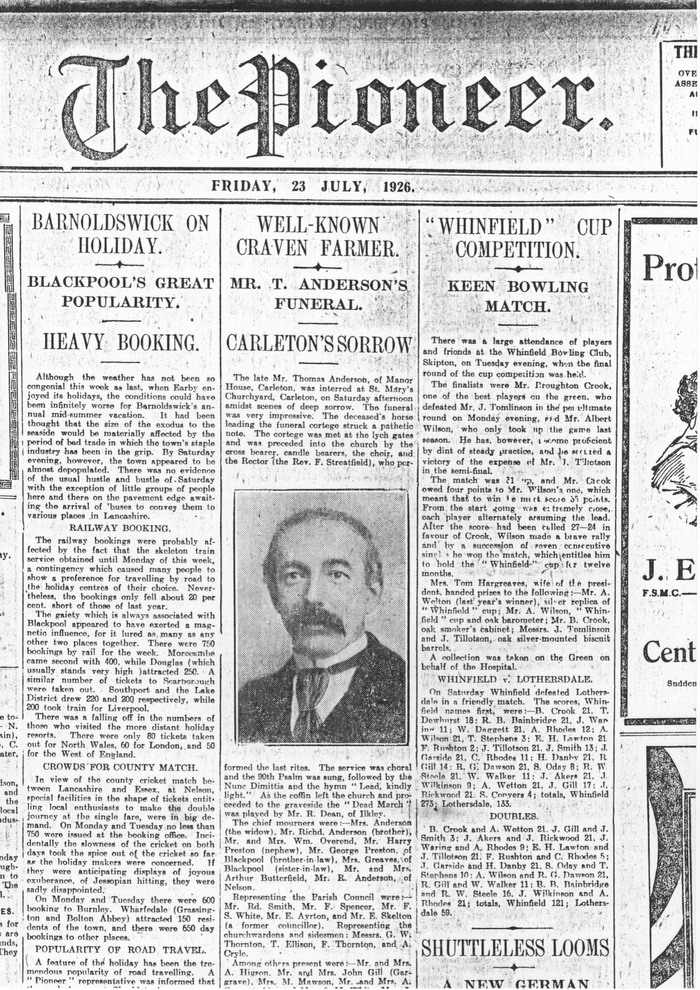
Spanning 1889 to 1893, Lizzie’s letters paint a classic and heartbreaking tale of one-sided devotion. They capture the joy of their secret holiday trysts, contrasted against the devastating betrayal that ended their affair: in a desperate bid to sever ties, Thomas had his brother write to Lizzie to falsely inform her that he had died—only for her to later discover he was very much alive.
Thomas eventually married a woman named Melinda. He passed away in 1926 at the age of 75, followed by Melinda in 1936 at 68.
Dramatised by Brian Thompson. Directed and produced by Patrick Hargreaves, who presented the film to a packed audience in the Village Hall on March 26th, 2011.
Read the original feature article in the Yorkshire Post.
A DVD of the film is available. Please contact us to request a copy.
1940: The Carleton Moor Bombs
During the Second World War, the quiet moorland above Carleton-in-Craven unexpectedly became a target. At around six in the evening on September 16, 1940, a German bomber dropped six high-explosive bombs onto Carleton Moor, tearing up the landscape and carving massive craters near the road.
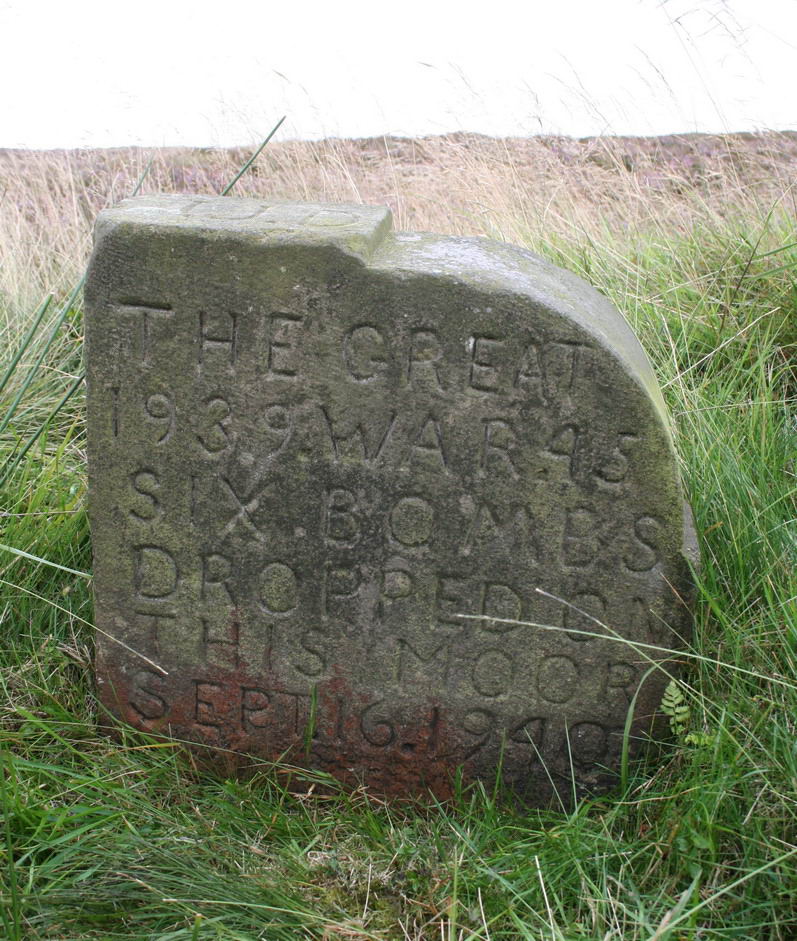
THE GREAT 1939. WAR. 45 SIX BOMBS DROPPED ON THIS MOOR SEPT 16. 1940
Memorial Stone Location
Located on the left-hand grass verge of Carleton Lane (known locally as Mill Hill) heading towards Colne. You can find it about halfway between the edge of the forest and “The Log” (a popular pull-in spot at the top of the moor).
Eyewitness Accounts
“Everyone ran outside to see what was happening when the bombs fell. The street wardens were frantic, trying to herd everyone back indoors for safety. The explosions had completely destroyed sections of the road and left enormous craters on the moor.”
— Fred’s Recollection“I was out collecting firewood in a wheelbarrow with my friend Donald. We saw a German plane following the Skipton railway line before it suddenly turned toward Carleton and climbed up to the moor, dropping its payload. We dove under the bushes along the roadside. Back in the village, the wardens were yelling at everyone to stay inside, but being adventurous young boys eager to see what had happened, we desperately wanted to go up and see the craters!”
— Clifford’s RecollectionHistorical Gallery
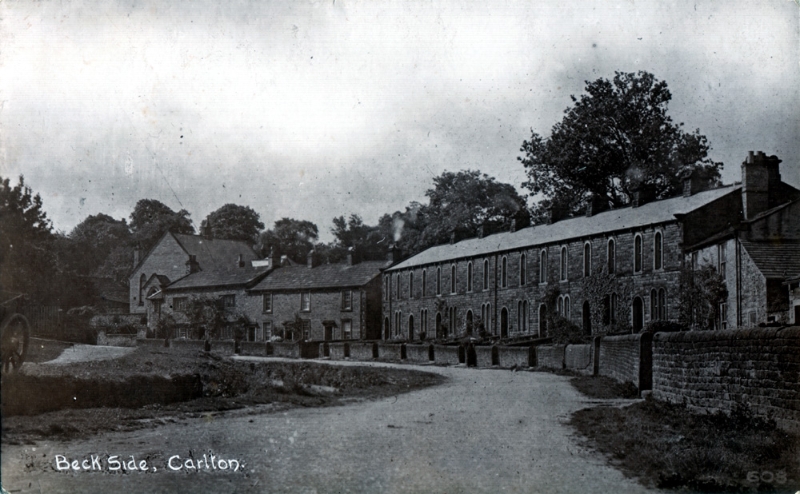
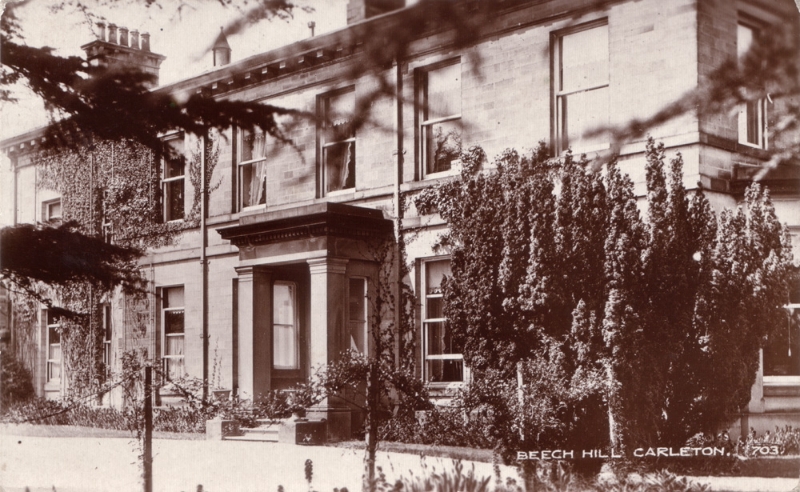
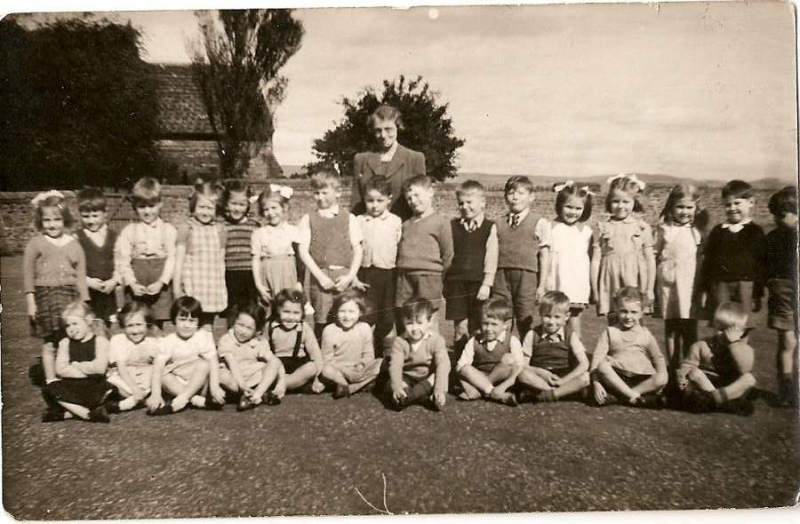
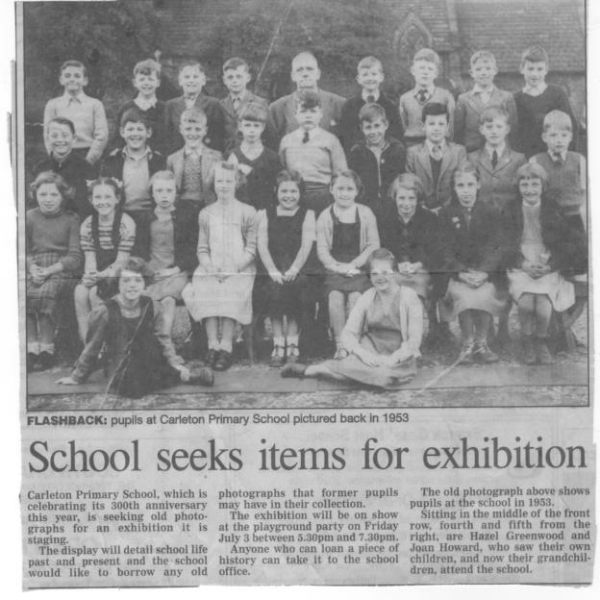
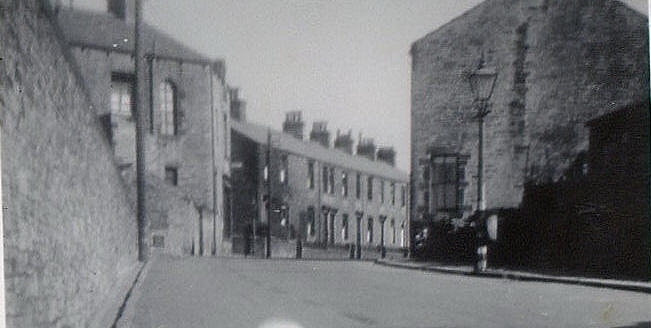
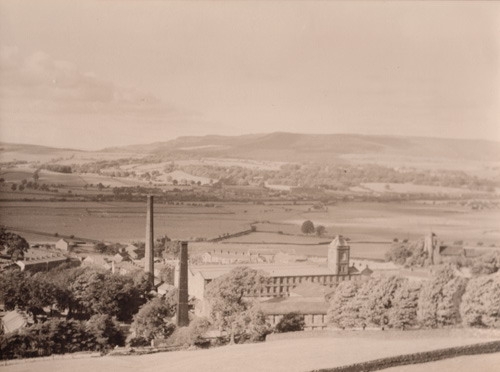
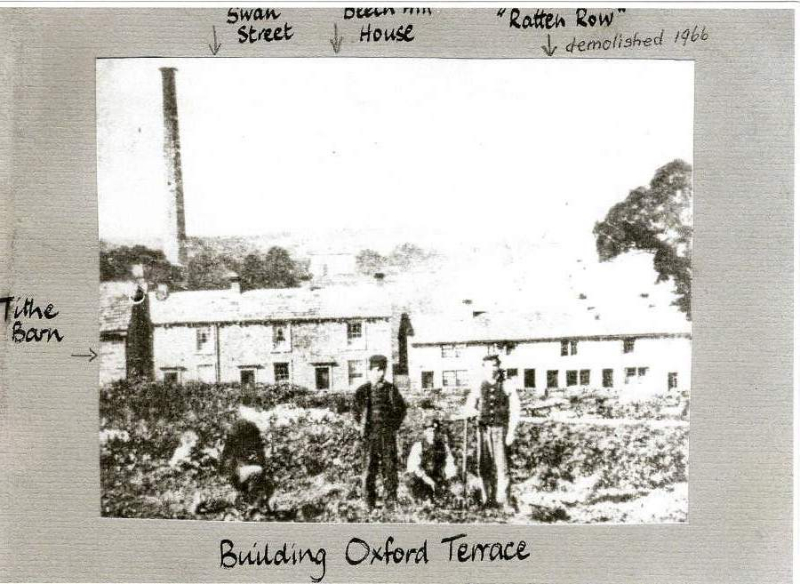
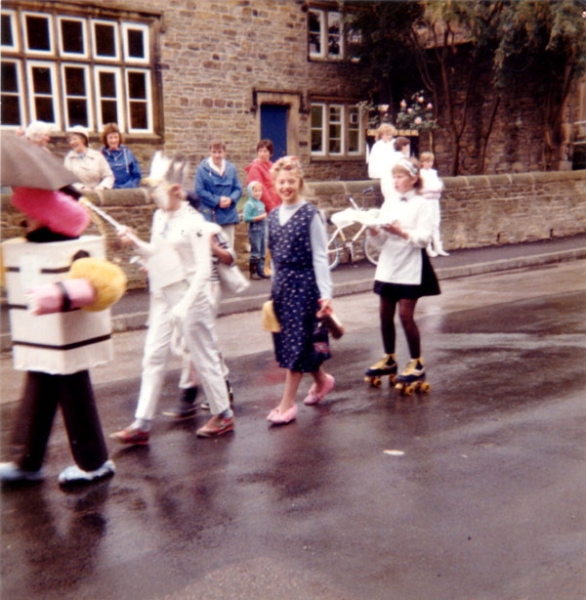
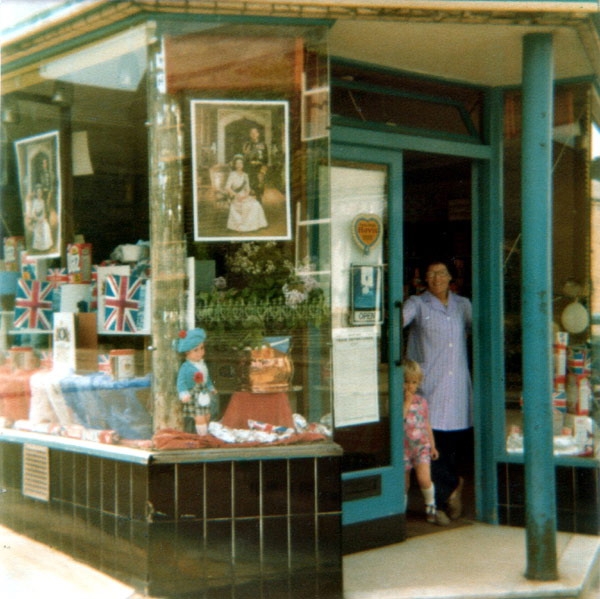
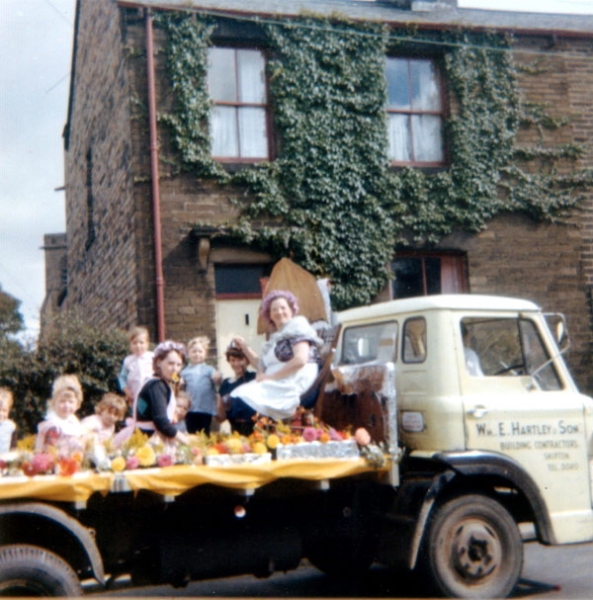
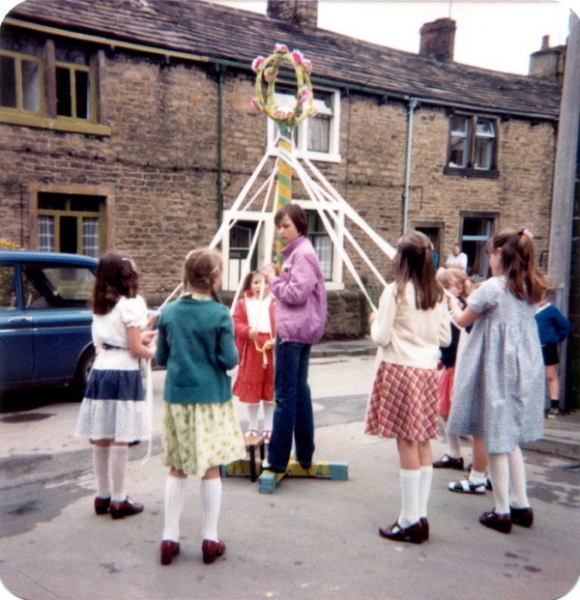
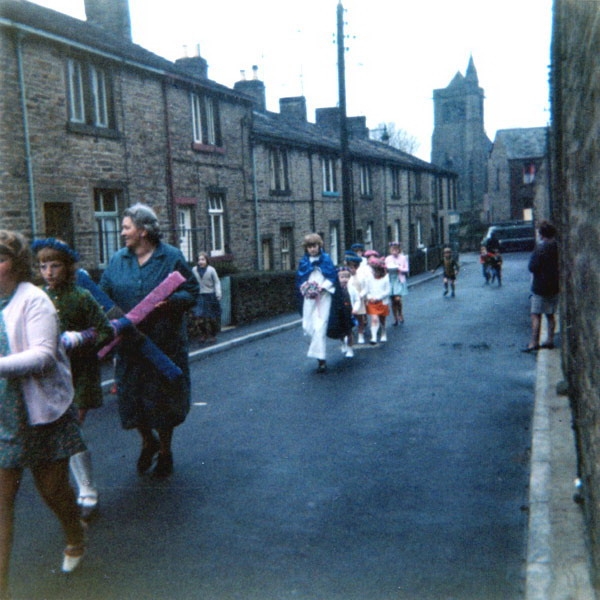
Browse a curated archive of historical photographs showing Carleton-in-Craven, its landscapes, architecture, and the daily lives of its past inhabitants.